 Bosnia and Herzegovina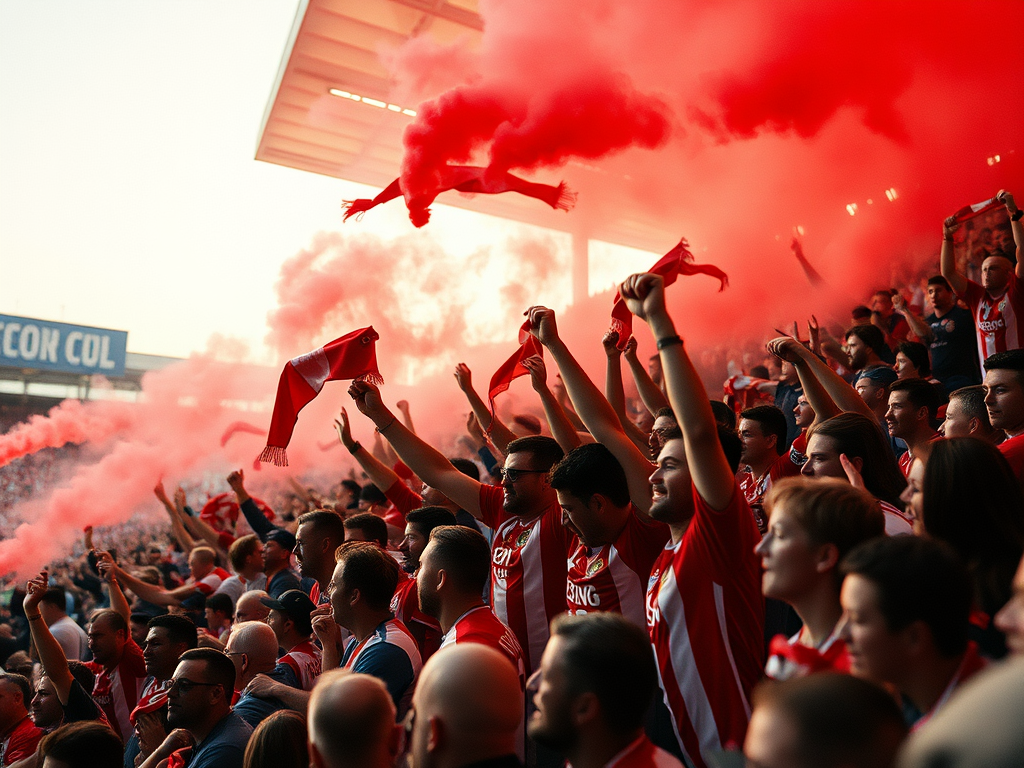
The national football team of Bosnia and Herzegovina, known as the Zmajevi, is not just a team; it is a symbol of hope, unity, and passion. Every time the Zmajevi step onto the pitch, fans create an atmosphere reminiscent of glorious moments in football history. This passionate support stems from fan traditions that have developed over the years, and which remain strongly present at every match, especially during significant encounters like World Cup qualifying matches.
One of the most recognizable traditions among Zmajevi supporters is singing songs that celebrate the team and their homeland. At every stadium, regardless of where the game is played, the loud singing of popular football anthems can be heard, passed down through generations. Songs like "Jedna si jedina" have become an inseparable part of the fan identity, often echoing in the stadiums as a symbol of unity and pride. These songs not only uplift the players' spirits but also create a sense of community among fans.
Stadiums in Bosnia and Herzegovina, especially Bilino Polje in Zenica and Grbavica in Sarajevo, turn into true festivals of passion when the Zmajevi play. Ritualistically, fans arrive early to gather, often organizing various events and meet-ups near the stadium. These activities include communal meals, drinking local beer, and sharing stories about past matches, further strengthening the bond of togetherness.
On match day, fans arrive dressed in blue and yellow, with many bringing flags, banners, and various props that symbolize their support. Before the match starts, different ceremonies are often organized, including lighting flares and performing choreographies that enrich the atmosphere even further. This ritual preparation not only builds excitement but also reinforces the sense of belonging and identity among fans.
Derbies, especially those against our regional rivals, evoke a special kind of euphoria. The atmosphere during these matches is electric, and fans often recount rivalries that stretch far into the past. During these encounters, passion and tension become evident, and every supporter becomes part of something much larger than football. Such moments remain etched in memory, and legends of heroes and their exploits are passed down through stories shared among fans.
The Zmajevi and their supporters are connected not only through footballing successes but also through the culture that has developed around the sport. This community of passionate fans, who gather to support their team, represents the core of Bosnia and Herzegovina's identity. At the World Cup 2026, Zmajevi fans are expected to once again showcase their passion and unity, creating an experience that will be remembered for many years.