Qualification for the 2026 World Cup isn't merely a scoreline; it's the culmination of a decade of patient construction, tactical evolution, and an unyielding spirit that finally broke barriers. Our victory over Italy in the playoff wasn't a stroke of luck; it was the cold-blooded execution of a plan, proof that our national team can contend with the giants when every piece falls into place.
Salihović's Tactical Masterclass: How We Broke the Azzurri
After years of attempts and disappointments, Haris Salihović took the helm with a clear vision: to transform the Zmajevi from a team of individual talents into a cohesive tactical unit. Few believed that path would culminate in the elimination of four-time world champions, Italy, but Salihović's approach, which involved rigorous opponent analysis and tactical flexibility, proved crucial. His calm demeanor on the sidelines, even in moments of greatest pressure, permeated the players, fostering a mentality that simply didn't know surrender.
The first leg of the playoff, played at Stadio Giuseppe Meazza (San Siro) in Milan on 20 March 2026, reflected Salihović's cautious approach. Italy, as expected, dominated possession and pressed our defense, but we didn't break. The disciplined 4-4-2 formation, with two deep-lying midfielders, effectively closed central passages and forced the Italians into fruitless crosses. Although Italy managed to score in the 33rd minute through Gianluca Scamacca, we maintained a minimal 1-0 deficit, a result that gave us hope for the return leg on home soil. We showed we could withstand the onslaught of a top opponent, and that mentally strengthened the team.
For the return fixture, four days later at Stadion Bilino Polje in Zenica on 24 March 2026, Salihović knew a change was needed. He couldn't just defend; he had to find a way to threaten the Italian defense without leaving too much space behind. The decision was to adopt a slightly more aggressive pressing approach, especially in midfield, aiming for quicker ball recoveries and lightning-fast transitions. He believed in the ability of our wingers to break down the flanks and exploit the space that would open up behind Italy's high defensive line.
Tactically, Salihović maintained the basic 4-4-2 formation, but he adapted the instructions for the players. Wide players were given more freedom to join the attack, while midfielders, led by Miralem Pjanić, were tasked not only with breaking up opposing attacks but also with initiating our counter-attacks with precise passes. The attacking duo, Edin Džeko and Ermedin Demirović, were responsible for constantly pressing the Italian center-backs and capitalizing on every, even the slightest, mistake. This approach transformed our game, making us more dangerous and unpredictable.
Midfield Battleground: Pjanić's Dominance and Neutralising Italy's Midfield
In football, the battle for midfield often decides the outcome of a match, and against Italy, whose midfield is traditionally the heart of their team, this segment was of paramount importance. Salihović recognized that if we were to have a chance, we had to neutralize their playmakers and impose our rhythm. Miralem Pjanić's role in this was indispensable, not only due to his experience and vision but also his ability to dictate tempo and make the right decisions under pressure.
Pjanić, alongside the tireless Rade Krunić, formed a dynamic midfield block that denied the Italians space and time on the ball. His ability to read the game and intercept passes was crucial in breaking down Italian attacking moves, while his vision allowed for quick transitions from defense to attack. Krunić's work ethic and ability to cover vast amounts of ground complemented Pjanić's technique, creating a midfield that was both destructive and creative. Their synchronization made the Italians uncomfortable with the ball, forcing them into errors that opened the way to their goal.
Our midfielders didn't just focus on defense; they actively participated in the press, especially when Italy tried to build from the back. With an aggressive approach, they closed off passing lanes to their attacking midfielders and wingers, forcing them into long balls that our center-backs easily dealt with. This strategy effectively stifled Italian creativity, preventing them from developing their recognizable fluid passing game. It was clear that Salihović's plan for the midfield was perfectly executed, and our players carried it out flawlessly.
Defence of Steel, Attack of Arrows: Key Moments in Zenica
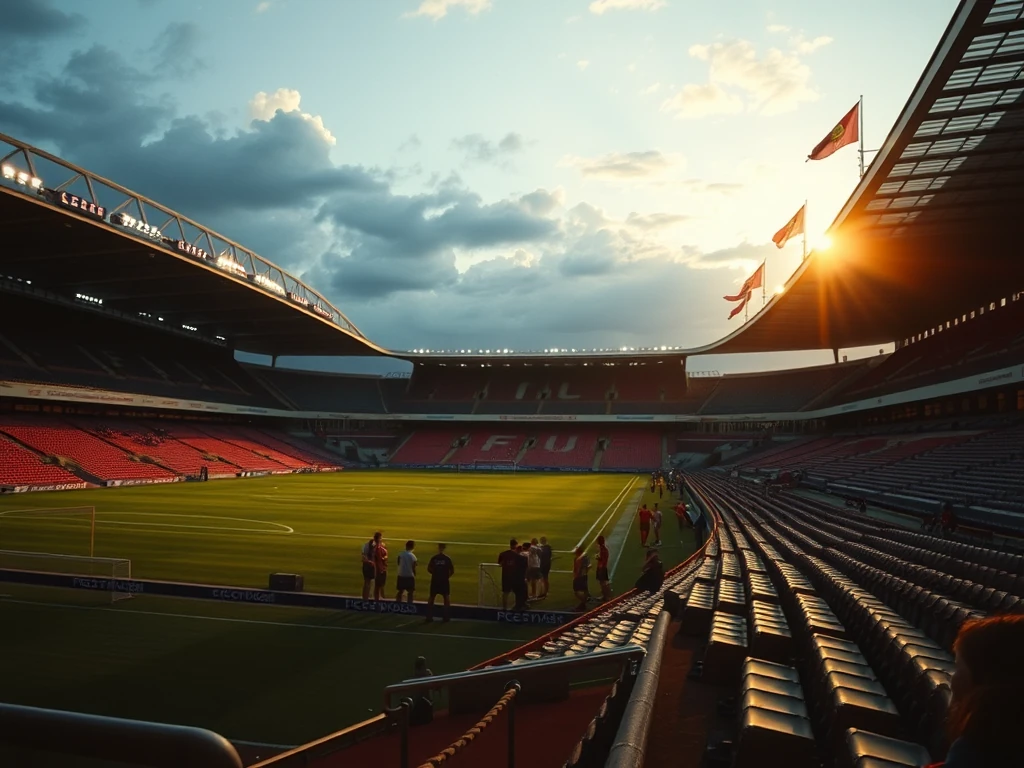
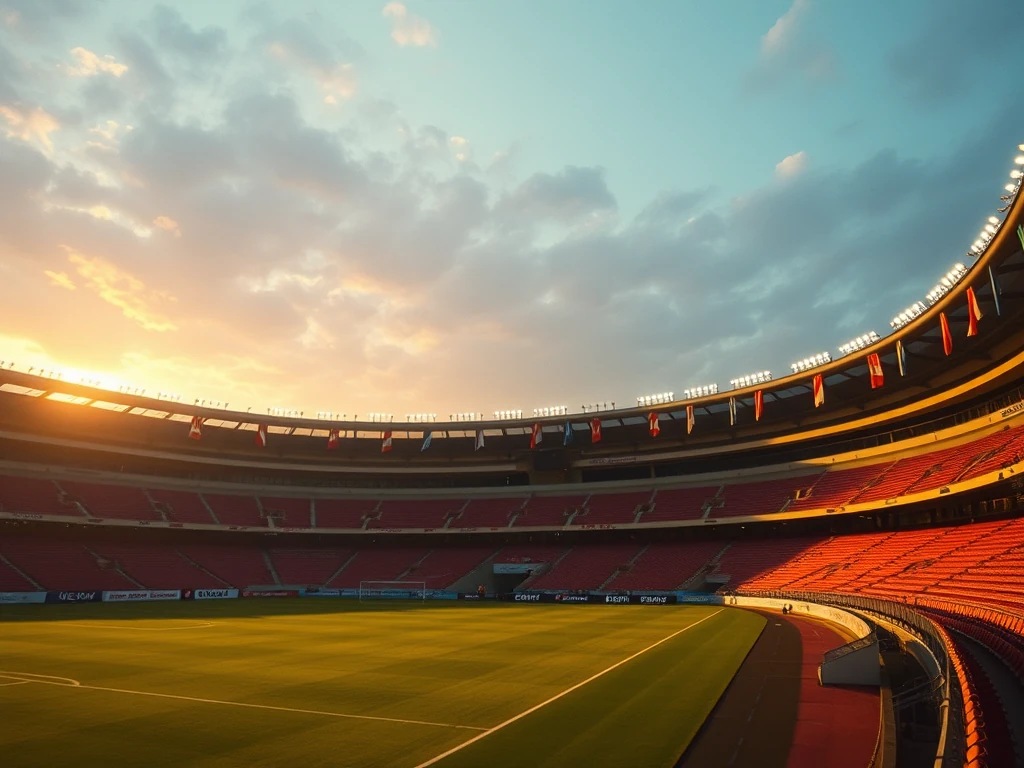
The atmosphere at Stadion Bilino Polje that evening was electric, almost palpable. Tens of thousands of fans, draped in flags and filled with hope, created a wall of noise that echoed through the stadium, giving our players incredible energy. We knew we needed a victory, a goal difference, and every player stepped onto the pitch with that goal in mind.
Our defensive line, led by the experienced Sead Kolašinac and the young but resolute Dennis Hadžikadunić, alongside Adnan Kovačević and Amar Dedić at full-back, played the game of their lives. Their discipline and concentration were impeccable. Every duel was a battle, every ball won. Italian attackers, including Federico Chiesa and Ciro Immobile, couldn't find cracks in our steel wall. The compact defense, coupled with quick counter-attacks, became our hallmark. If you watched the match, you couldn't help but notice how our defenders sacrificed themselves for every ball.
Offensively, we relied on quick transitions and the genius of Edin Džeko. In the 62nd minute, after a brilliant move and a pass from Benjamin Tahirović, Demirović was brought down in the penalty area. The referee didn't hesitate - penalty! Edin Džeko, with his unwavering composure, stepped up and, in the 65th minute, sent the ball into the net, giving us a 1-0 lead. The stadium erupted, and the aggregate score was 1-1.
However, we didn't stop there. We continued to press, believing in ourselves until the final whistle. And then, in the 87th minute, the moment that will be etched in the history of BiH football happened. After a corner taken by Pjanić, the ball found the head of Amar Dedić, who rose majestically and sent it into the net! 2-0 for Bosnia and Herzegovina! Aggregate score 2-1! Bilino Polje exploded in unprecedented euphoria. That goal wasn't just a strike; it was a symbol of our persistence, our spirit, and our faith. The last few minutes were agony, but our players held firm like lions, repelling every Italian attempt to threaten our goal. The final whistle marked the beginning of indescribable celebration.
Key Tactical Takeaways from Zenica:
- Disciplined Defense: A 4-4-2 formation that effectively closed down space.
- Aggressive Pressing: Midfield dominance, stifling Italian creativity.
- Quick Transitions: Efficient exploitation of open space after winning the ball.
- Experience and Youth: A combination of Džeko's composure and Dedić's youthful energy.
- Bilino Polje's Power: Fan support acting as the twelfth man.
What This Means for Bosnia and Herzegovina: Expectations and the Road Ahead
This qualification for the 2026 World Cup is far more than a mere sporting victory; it has profoundly impacted the identity and self-confidence of the nation. For years, we've dreamed of returning to football's biggest stage, and now, having eliminated a giant like Italy, that dream has become a reality. The sense of national pride and unity that enveloped the entire country after the victory is invaluable. This is proof that, with the right vision, hard work, and unwavering belief, we can achieve the impossible. The streets were filled with celebration, and every child kicking a ball in the park now has a new hero and a new, more tangible dream.
Success on the field also has broader implications. An increase in interest in football among youth is expected, potentially leading to greater investment in youth academies and infrastructure, which could long-term reshape the future of Fudbal BiH. This generation of Zmajevi didn't just qualify; they set a new standard, showed the way, and inspired thousands to believe in themselves and in the possibility of competing with the world's best. Now that we've proven ourselves, public expectations will be higher, but so too will be the belief in our team's ability to handle that pressure. This victory reminded us of what we are capable of achieving when united.
A Critical Perspective and the Challenges Ahead
While the euphoria is understandable and well-deserved, we mustn't overlook a critical perspective. Sceptics might argue that Italy arrived in Zenica weakened by injuries to key players, or that their dip in form after winning the European Championship was a significant factor. Some might contend that circumstances aligned in our favor, and that such success won't be easily repeatable. It's important to acknowledge that football often comes down to specific moments and that luck, however much we might not want it, is sometimes part of the equation.
However, a win is a win, and the Zmajevi demonstrated that they possess the mental fortitude and tactical maturity to capitalize on such circumstances. The upcoming 2026 World Cup will bring new, even greater challenges. The group stage will likely be much tougher, and the pressure will be enormous. We must avoid the trap of complacency and understand that this is just the beginning of the journey, not its end. The world stage forgives no mistakes, and we'll need to be at our highest level in every match to achieve a significant result. The focus must remain on continuous development and adaptation, not on past glories.
What's next
With qualification secured, the focus now shifts to preparations for the big tournament. Haris Salihović and his coaching staff face the task of meticulously planning every step, from friendly matches to training camps, to ensure the Zmajevi are in peak condition when the World Cup begins. It'll be crucial to find the right opponents for friendly matches that will simulate the challenges we'll face in the group stage, as well as carefully analyzing potential adversaries to develop specific tactical plans.
An exciting period of awaiting the group stage draw, which will determine our path in the tournament, lies ahead. The entire nation will eagerly anticipate the names of our opponents, hoping for a favorable draw, but simultaneously aware that there are no easy games at this level. Regardless of who stands against us, one thing is certain: the Zmajevi will go to the World Cup with their heads held high, ready to fight for every ball and proudly represent Bosnia and Herzegovina on football's grandest stage. The journey has just begun, and we're ready for every obstacle that comes our way.