 Bosnia and Herzegovina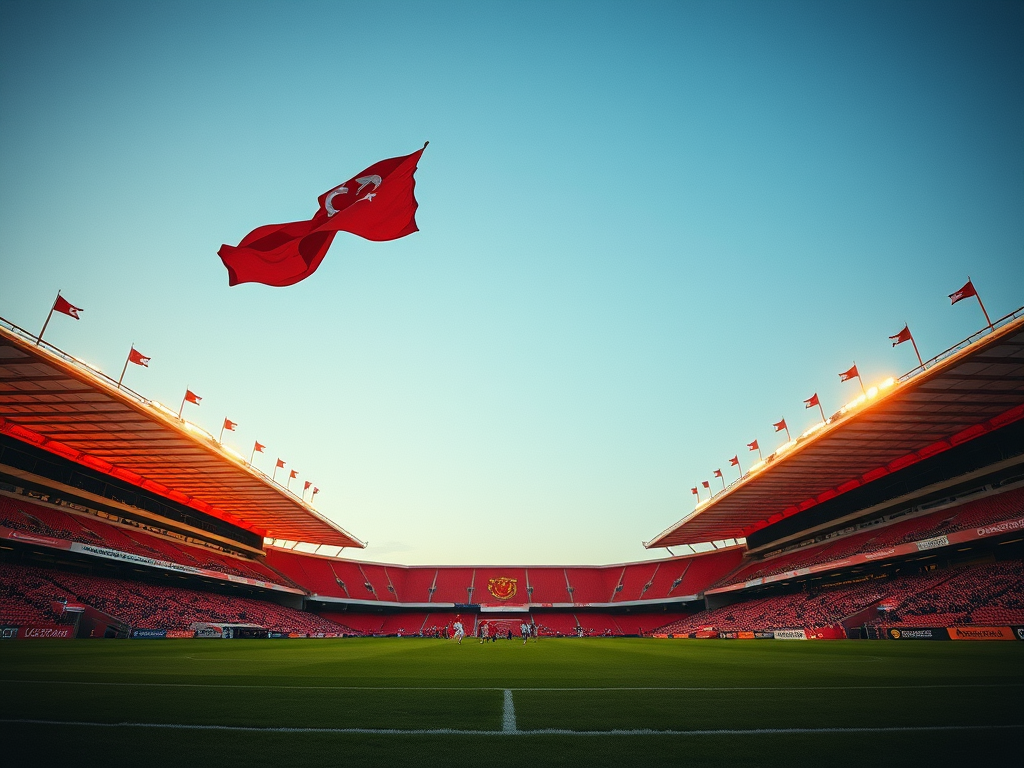
Introduction
The football culture of Bosnia and Herzegovina, especially when it comes to the Dragons, is a phenomenon that deserves special recognition. Supporters, known as “Fukare,” “Manijaci,” or “Dijamant,” create a unique atmosphere that cannot be found anywhere else. This passionate community not only supports their team but also nurtures a tradition passed down through generations.
Ritual Support
Every match of the Dragons begins with the ritual of gathering supporters. In the streets of Sarajevo, Zenica, or Banja Luka, you can hear the songs being sung and the flags waving. These rituals create not just a sense of community among fans but also a feeling of belonging that is crucial to the identity of the Dragons. In the lead-up to major matches, such as derbies against Croatia or Serbia, fans gather in squares or in front of the stadium, where events, concerts, and communal meals are organized.
Derby Atmosphere
Derbies between the Dragons and other regional teams are particularly emotional. Matches become battles for prestige, and the atmosphere in the stadium is tense and electric. Supporters compete to create the loudest songs, and the choreographies they perform in the stands often take your breath away. In those moments, all differences fade, and everyone unites around a common goal – supporting the Dragons to victory.
Songs and Choreographies
The songs that supporters sing are the essence of their culture. They not only cheer on the players but also tell stories of identity, unity, and struggle. As we approach the 2026 World Cup, new songs are expected to emerge that reflect the spirit of the current generation. Choreographies, often prepared months in advance, add an extra layer of spectacle to the matches.
Community and Identity
The football culture of the Dragons consists not only of matches; it encompasses a broader community. Supporters often organize humanitarian actions, helping those in need, which further solidifies their identity as a community unashamed of its roots. This connection to society and tradition makes the Dragons more than just a football team – they symbolize hope and pride.
Conclusion
The football culture of the Dragons is rich, passionate, and filled with tradition. As we prepare for the 2026 World Cup, it is clear that supporters will remain the driving force propelling the team forward. Their traditions, unique rituals, and passionate support ensure that every match leaves an indelible mark in the hearts of all who love this game.